 +91 8109951118
WATER TREATMENT
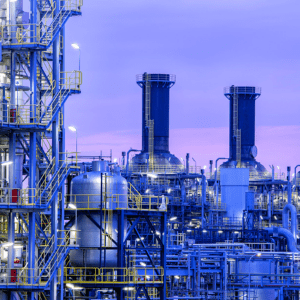
Softener Plant
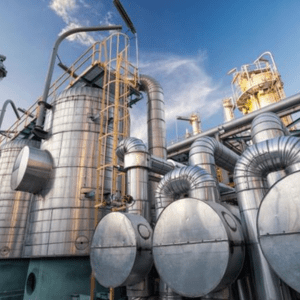
Reverse Osmosis Plant
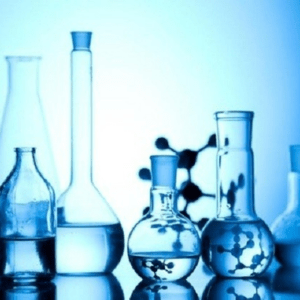
DM plant (Demineralize Plant)
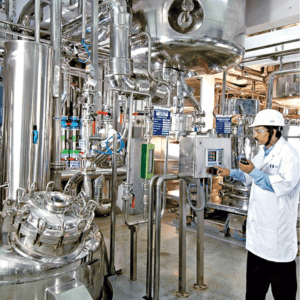
Water Treatment
Softener Plant
A Softener is a type of water treatment system that removes hard minerals, such as calcium and magnesium, from water used in industrial processes. Hard water can cause problems in industrial processes, such as scaling, which can reduce the efficiency of equipment and increase maintenance costs.
Softener Plant
An industrial softener typically uses a process called ion exchange to remove hard minerals from water. The system contains a resin bed made up of ion exchange resin beads. When water flows through the resin bed, the hard minerals in the water are exchanged with sodium ions in the resin beads, which are then released into the water.
The resin bed becomes exhausted over time as it removes hard minerals from the water. When this happens, the system needs to be regenerated by flushing the resin bed with a concentrated solution of sodium chloride. This replenishes the resin bed with sodium ions and removes the hard minerals that have been collected.
Industrial softeners can be used in a variety of industries, including food and beverage, pharmaceuticals, and manufacturing. They help to improve the quality of process water and protect equipment from scaling, which can result in longer equipment life and reduced maintenance costs.
Overall, industrial softeners are a crucial component of many industrial processes, ensuring that water used in these processes is of high quality and free from hard minerals that can cause problems.
Reverse Osmosis Plant
An industrial reverse osmosis (RO) plant is a water treatment system that uses reverse osmosis technology to remove dissolved impurities and contaminants from water used in industrial processes. RO technology uses a semi-permeable membrane to remove impurities and contaminants, including dissolved salts, minerals, and organic materials, from water.
Reverse Osmosis Plant
An industrial RO plant typically includes several stages of filtration and treatment to remove impurities from the water. The first stage is pre-treatment, which involves removing larger particles and impurities using sediment filters, carbon filters, and other treatment methods.
Next, the water is pressurized and forced through a semi-permeable membrane, which removes dissolved impurities and contaminants. The purified water is then collected and stored in a tank for use in industrial processes.
Industrial RO plants can produce large volumes of purified water, making them suitable for a range of industries, including food and beverage, pharmaceuticals, and manufacturing. They help to improve the quality of process water and protect equipment from scaling and corrosion, which can result in longer equipment life and reduced maintenance costs.
However, it’s worth noting that industrial RO plants can be expensive to operate and maintain, and they require regular cleaning and replacement of the semi-permeable membrane to maintain their effectiveness.
DM plant (Demineralize Plant)
An industrial demineralization (DM) plant, also known as a demineralized water treatment plant, is a water treatment system that removes minerals and other dissolved solids from water to produce high-purity water. Demineralized water is used in a range of industries, including pharmaceuticals, electronics, and power generation, where high-purity water is essential for manufacturing processes.
DM plant (Demineralize Plant)
The DM plant uses a process called ion exchange to remove minerals and other dissolved solids from water. The process involves passing the water through a resin bed containing ion exchange resin beads. The resin beads are charged with either cationic or anionic ions, which attract and remove the mineral ions in the water.
The DM plant typically includes two types of ion exchange resin beds: cationic and anionic. The cationic resin bed removes positively charged ions, such as calcium, magnesium, and sodium, while the anionic resin bed removes negatively charged ions, such as chloride, sulfate, and bicarbonate.
The water is first passed through the cationic resin bed, where positively charged ions are removed. The water is then passed through the anionic resin bed, where negatively charged ions are removed. The result is highly purified water that is free from minerals and other dissolved solids.
Industrial DM plants can produce high-purity water with a low conductivity level, making them suitable for a range of industries that require high-quality water. However, they require regular maintenance, including replacement of the resin bed and regeneration of the ion exchange resin, to maintain their