 +91 8109951118
WASTEWATER TREATMENT
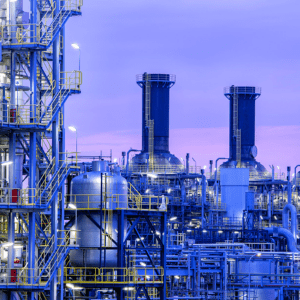
Sewage Treatment Plant
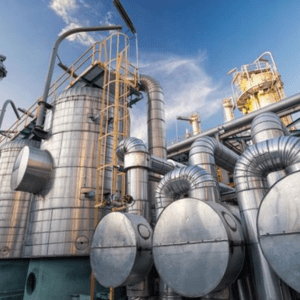
ETP (Effluent Treatment Plant)
Wastewater RO
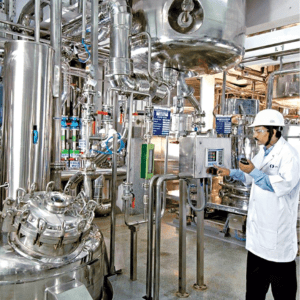
MEE & ATFD
Sewage Treatment plant
Typical processes in a sewage treatment plant include preliminary treatment, primary treatment, secondary treatment, and tertiary treatment. In preliminary treatment, large objects and debris are removed from the wastewater. Primary treatment involves sedimentation and clarification, where the heavier solids settle to the bottom and are removed as sludge, while the lighter solids float to the surface and are skimmed off
Sewage Treatment plant
Secondary treatment involves biological processes, such as activated sludge or trickling filters, which break down organic matter in the wastewater. Tertiary treatment includes additional treatment processes, such as disinfection, that further remove or reduce remaining contaminants in the wastewater.
Sewage treatment plants are important for protecting public health and the environment by treating and disposing of wastewater in a safe and responsible manner.
ETP (Effluent treatment plant)
ETP stands for Effluent Treatment Plant, which is a facility designed to treat and purify industrial wastewater before it is discharged into the environment. The purpose of an ETP is to remove harmful pollutants and contaminants from the wastewater to ensure that it meets the regulatory requirements for discharge into the environment.
The treatment process used in an ETP depends on the type and nature of the pollutants present in the wastewater. The treatment process can include physical, chemical, and biological treatments to remove the pollutants from the wastewater.
Physical treatments involve removing the solid particles and impurities from the wastewater using methods like screening and sedimentation. Chemical treatments involve adding chemicals to the wastewater to remove dissolved pollutants like heavy metals and organic compounds. Biological treatments use microorganisms to break down organic pollutants in the wastewater.
After treatment, the wastewater is usually disinfected to kill any remaining harmful bacteria or viruses before it is discharged into the environment. The treated wastewater can also be reused for other purposes, such as irrigation or industrial processes.
ETPs are critical in ensuring that industrial wastewater does not harm the environment or pose a risk to human health. They play a crucial role in maintaining the sustainability of industrial processes and promoting environmental stewardship.
WasteWater RO
The wastewater RO process typically involves several stages, including pre-treatment, the RO process itself, and post-treatment. Pre-treatment may include filtering out larger particles, adjusting the pH of the wastewater, and adding chemical coagulants to aid in the removal of suspended solids.
After pre-treatment, the wastewater is pressurized and sent through the RO membrane, which removes up to 99% of dissolved solids and other contaminants. The purified water that passes through the membrane is known as the permeate, while the remaining wastewater, containing concentrated contaminants, is known as the concentrate or brine.
The post-treatment stage typically involves disinfection and/or further treatment to remove any remaining contaminants or impurities. The purified water produced by the RO process can be reused for various purposes, such as irrigation, industrial processes, or even drinking water, depending on the level of treatment and the quality of the purified water.
MEE & ATFD:
MEE stands for Multiple Effect Evaporation. In this process, seawater is heated and boiled in a series of interconnected evaporators, each operating at a lower pressure than the previous one. As the water boils, it turns into steam, which is condensed and collected as distilled water. The remaining brine is returned to the first evaporator for further treatment. MEE is an energy-efficient process, as the heat used to evaporate the seawater is recycled and used to heat the next stage.
ATFD stands for Agitated Thin Film Dryer. In this process, seawater is heated and pumped onto a rotating cylinder, where it forms a thin film. The cylinder is heated from the outside, causing the water in the film to evaporate and separate from the salt and other impurities. The evaporated water is then collected as distilled water, while the remaining salt and impurities are collected as a dry powder. ATFD is a relatively simple and low-cost process, as it requires less energy and equipment than other thermal desalination processes.